G. H. Raisoni College of Engineering And Management, Jalgaon
Rotract Club
Raisoni Sabha 2.0 A Mock Parliamentary Session
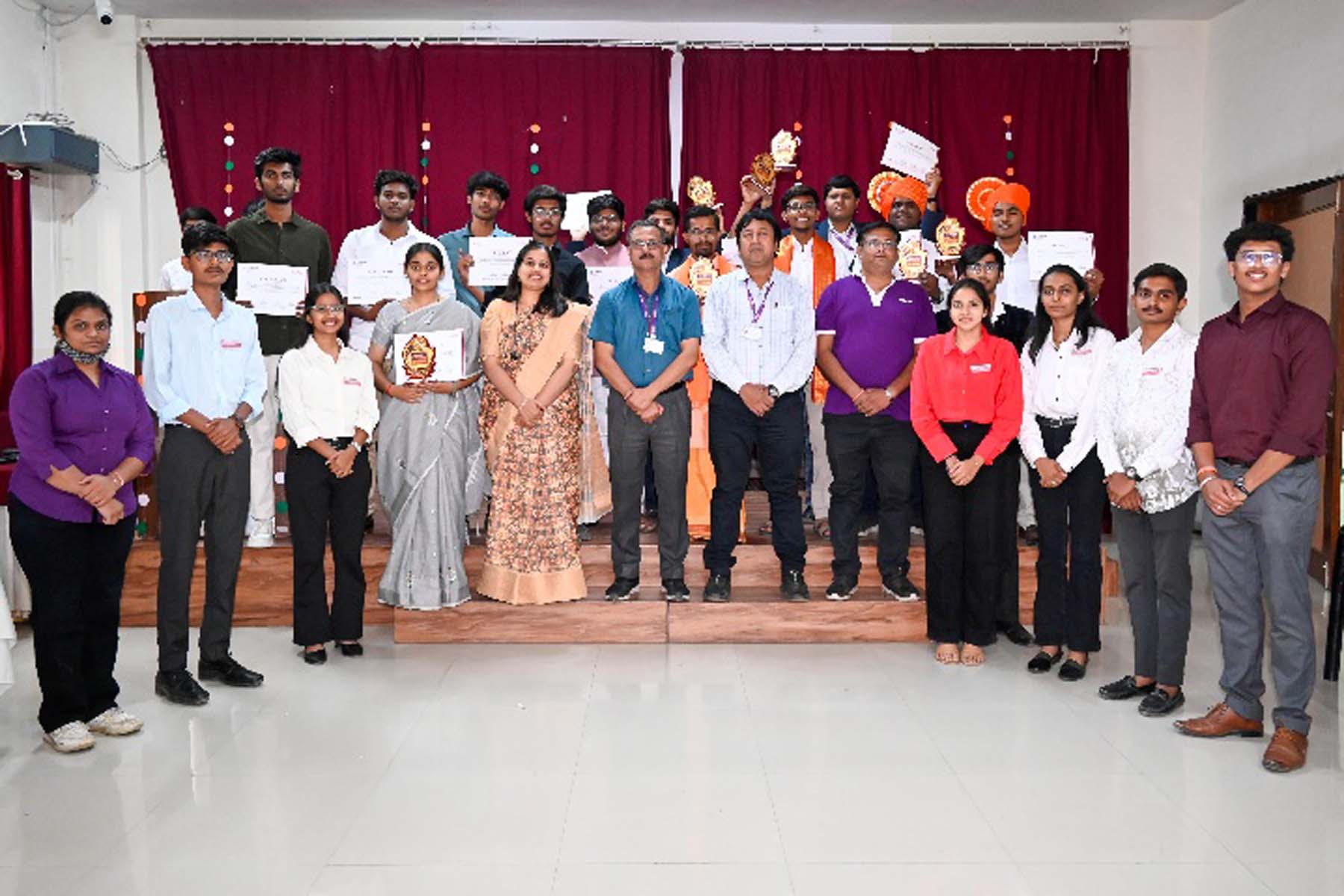
Raisoni Sabha 2.0 A Mock Parliamentary Session Organize at GHRCEM, Jalgaon
Raisoni Sabha 2.0, a Mock Parliamentary Session, was successfully organized by the Rotaract Club of Raisoni Jalgaon at G H Raisoni College of Engineering and Management, Jalgaon, on March 2, 2026, at 10:00 AM in the MBA Seminar Hall.
The event aimed to provide students with a practical understanding of the parliamentary system and encourage active participation in discussions related to governance, policymaking, and public administration. The initiative sought to simulate a real parliamentary environment, allowing students to assume the roles of representatives from different states and present ideas, policies, and solutions to various socio-economic issues. Recognizing that theoretical knowledge alone is insufficient, the event emphasized practical exposure to build confidence and communication skills. Through this platform, students gained insight into parliamentary debates, bill introduction procedures, and the art of defending viewpoints while addressing questions from the opposition or judges.
The event was coordinated by student leaders Mayank Thakur and Siddhant Surwade, who ensured the smooth conduct of the program and provided proper guidance to participating teams throughout the competition.
Structure of the Event
The Mock Parliamentary Session was divided into three stages:
1. Introductory Session – Each team introduced the state they represented, outlining the background, key issues, and development priorities. This stage set the context for the proposed bill and helped the judges and audience understand the state’s perspective.
2. Bill Presentation Session – Teams presented bills addressing critical issues related to development, sustainability, economy, infrastructure, or social welfare. Participants acted as Chief Ministers, Deputy Chief Ministers, and Members of the Assembly, explaining the objectives of the bill, the problems it sought to address, and the proposed solutions. Teams supported their proposals with logical arguments, statistical data, and practical examples, demonstrating strong presentation skills, teamwork, and subject understanding.
3. Question and Answer Session – Judges and audience members posed questions regarding the presented bills. Participants defended their proposals, clarified doubts, and justified their decisions, testing their confidence, knowledge, and ability to think quickly under pressure. This session encouraged constructive criticism and intellectual discussion.
Participation and Evaluation
The event saw enthusiastic participation from several teams, each representing a specific state of India. The diversity of ideas and perspectives enriched the session, allowing students to learn about the challenges and opportunities faced by different states across the country.
A distinguished panel of judges evaluated the performances based on clarity of presentation, originality of ideas, logical arguments, teamwork, and effectiveness in answering questions. The judging panel included:
- Dr. Sajay Shekhawat
- Prof. Rafak Sheikh
- Prof. Harshal Kotwal
Their feedback provided valuable insights, highlighting strengths and areas for improvement.
Results
The winners were announced based on overall performance:
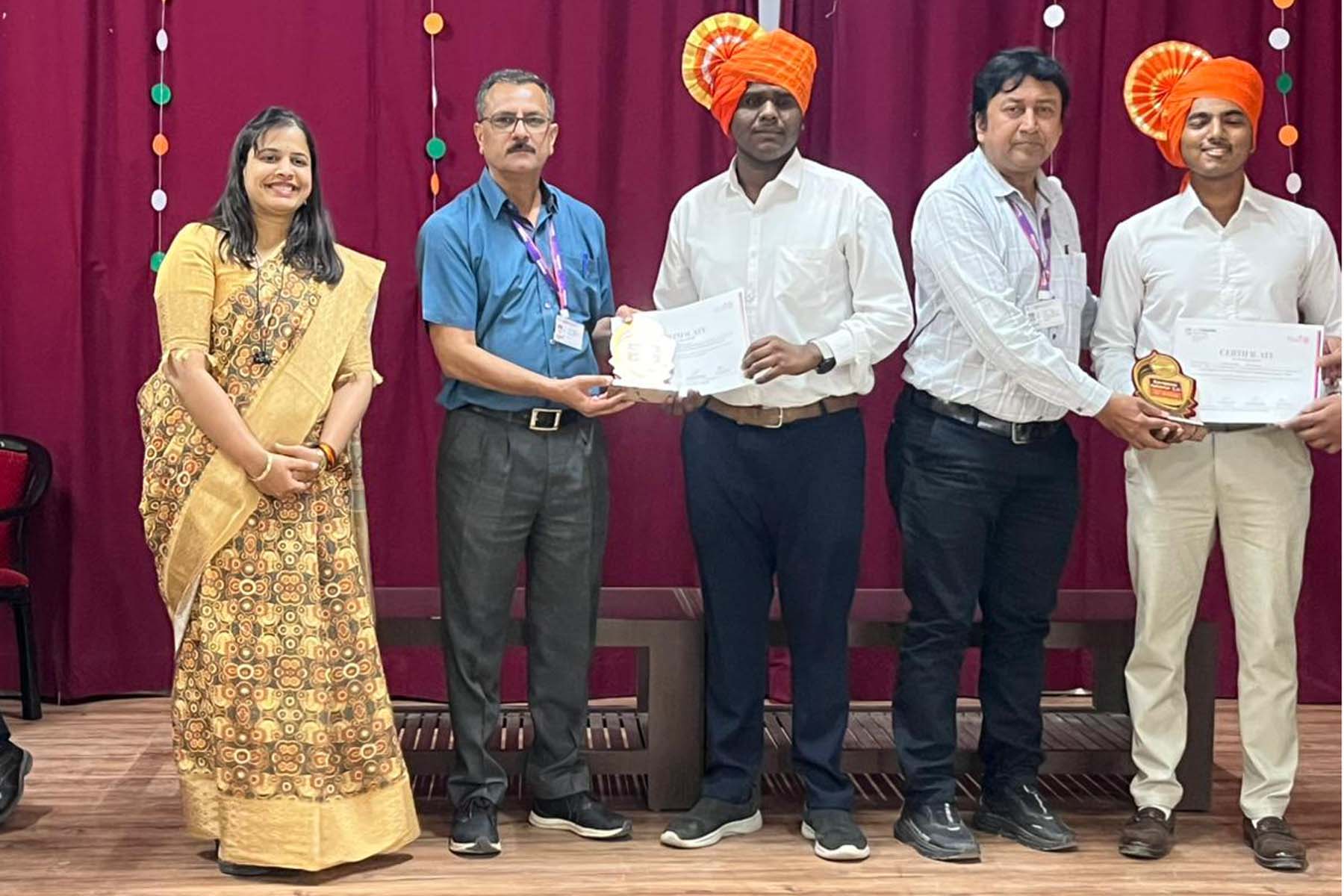
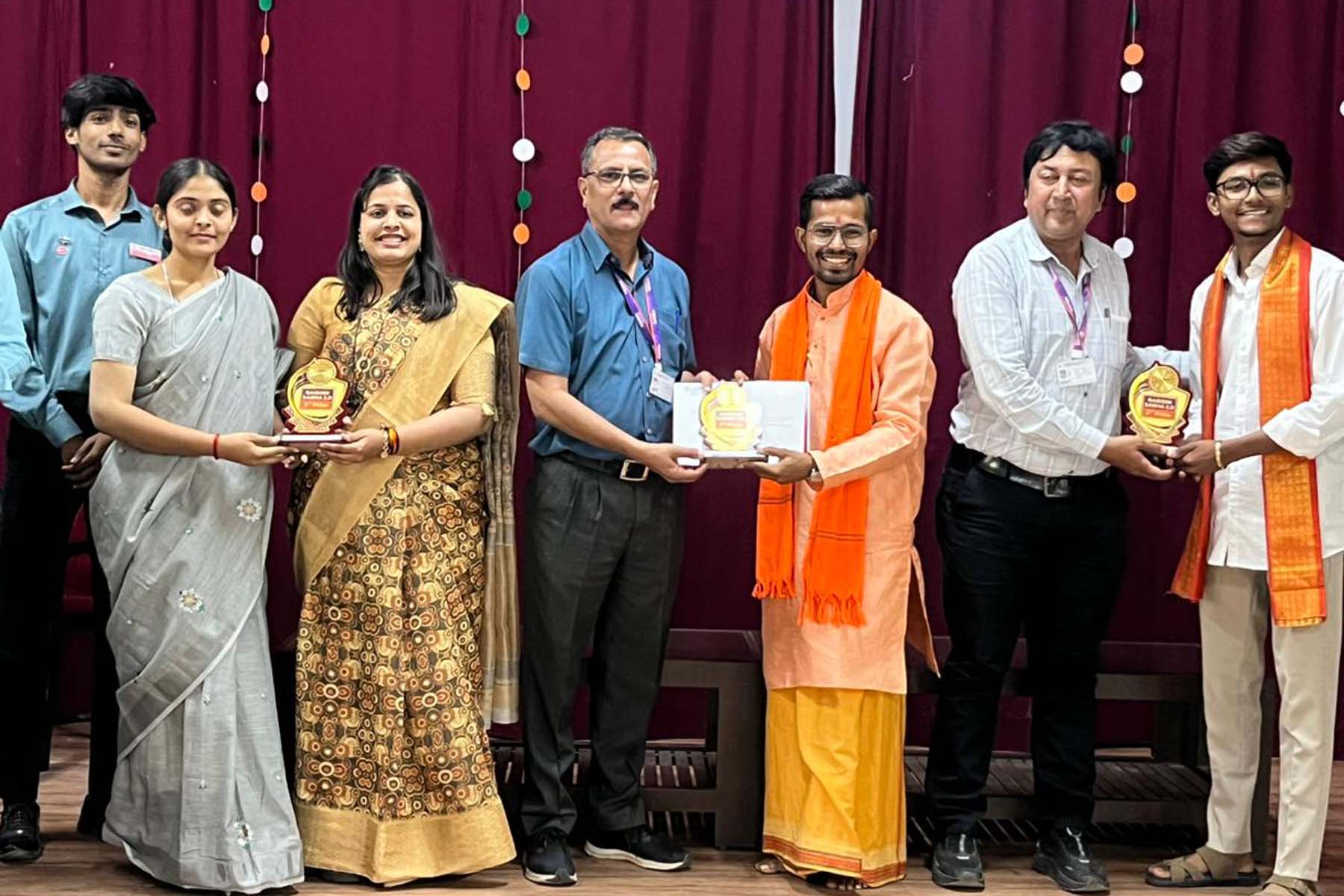
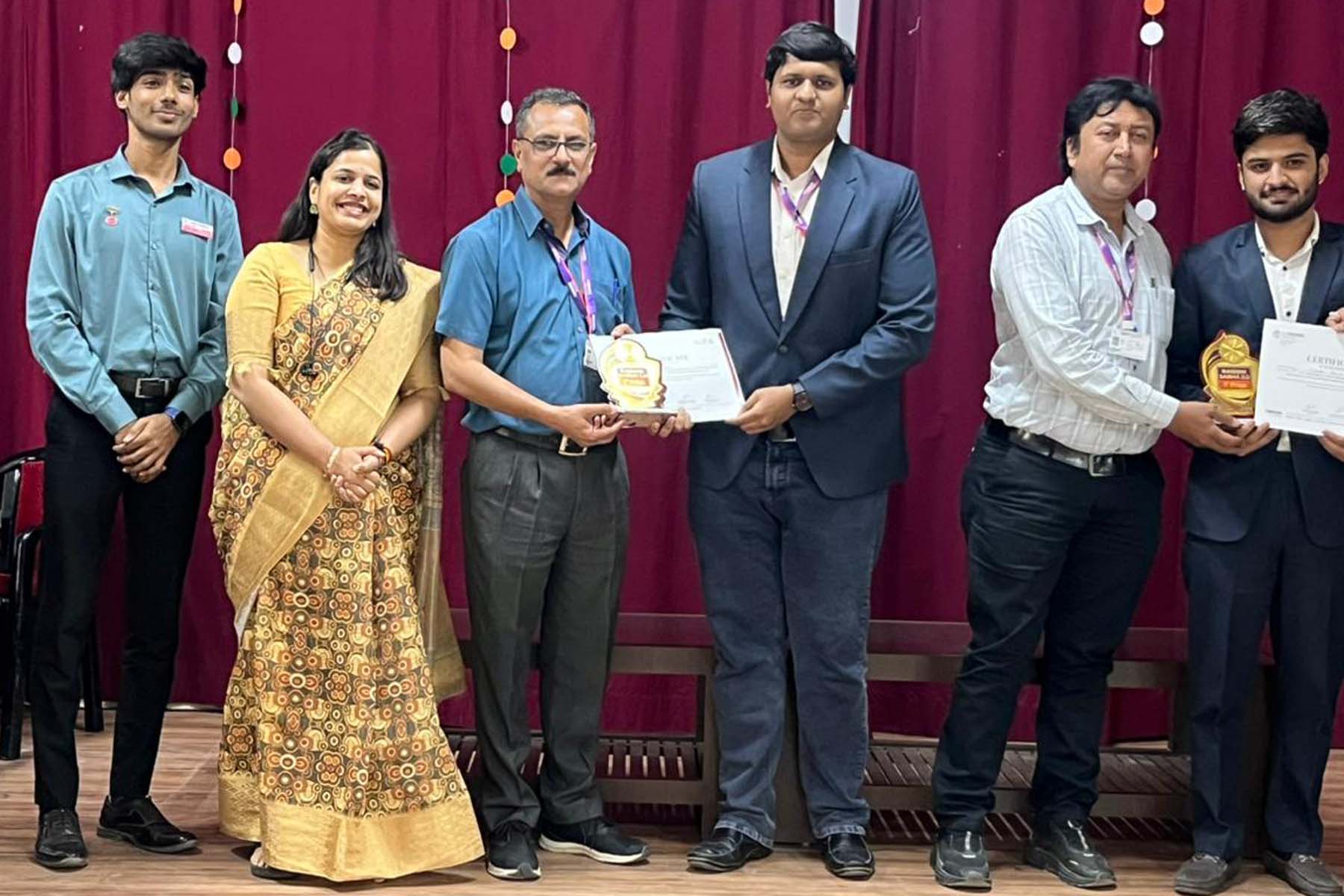
- First Position: Tamil Nadu – for outstanding presentation, strong arguments, and a well-structured bill proposal.
- Second Position: Uttar Pradesh – for detailed explanation and effective responses during the Q&A session.
- Third Position: Maharashtra – for commendable performance.
- Fourth Position: Goa – for notable efforts.
Outcomes and Significance
Raisoni Sabha 2.0 proved to be a valuable learning experience, helping students enhance communication skills, develop leadership qualities, and gain confidence in public speaking. The mock parliamentary format encouraged critical thinking about real-world problems and the formulation of practical policy solutions.
The event also promoted teamwork and collaboration, as teams divided responsibilities such as preparing introductions, drafting bills, gathering supporting information, and anticipating questions. This collaborative effort underscored the importance of coordination and strategic planning.
Additionally, the activity raised awareness about governance and the democratic process, giving students a deeper understanding of legislative discussions, policy debates, and decision-making within a parliamentary system. Such initiatives contribute to shaping responsible and informed citizens aware of their rights and duties in a democratic society.
The event concluded with a vote of thanks, expressing gratitude to the judges, faculty coordinator, participants, and volunteers for their invaluable support. The success of Raisoni Sabha 2.0 reflected the dedication of the organizing team and the active participation of students.
Overall, Raisoni Sabha 2.0 was a highly successful and enriching event that blended education with practical experience, providing a platform for students to showcase their ideas, enhance communication skills, and gain insights into parliamentary functioning. Activities of this nature not only strengthen academic learning but also contribute to the holistic development of students, preparing them to become confident leaders and responsible citizens.